
MENU
COLLABORATION / MASTEL × 450 MHz ALLIANCE
Shaping an evidence-led pathway for Indonesia’s low-band spectrum.
MASTEL and the 450 MHz Alliance have opened a collaborative workstream to examine international experience, Indonesia’s connectivity priorities and a responsible pathway for the 450 MHz spectrum.
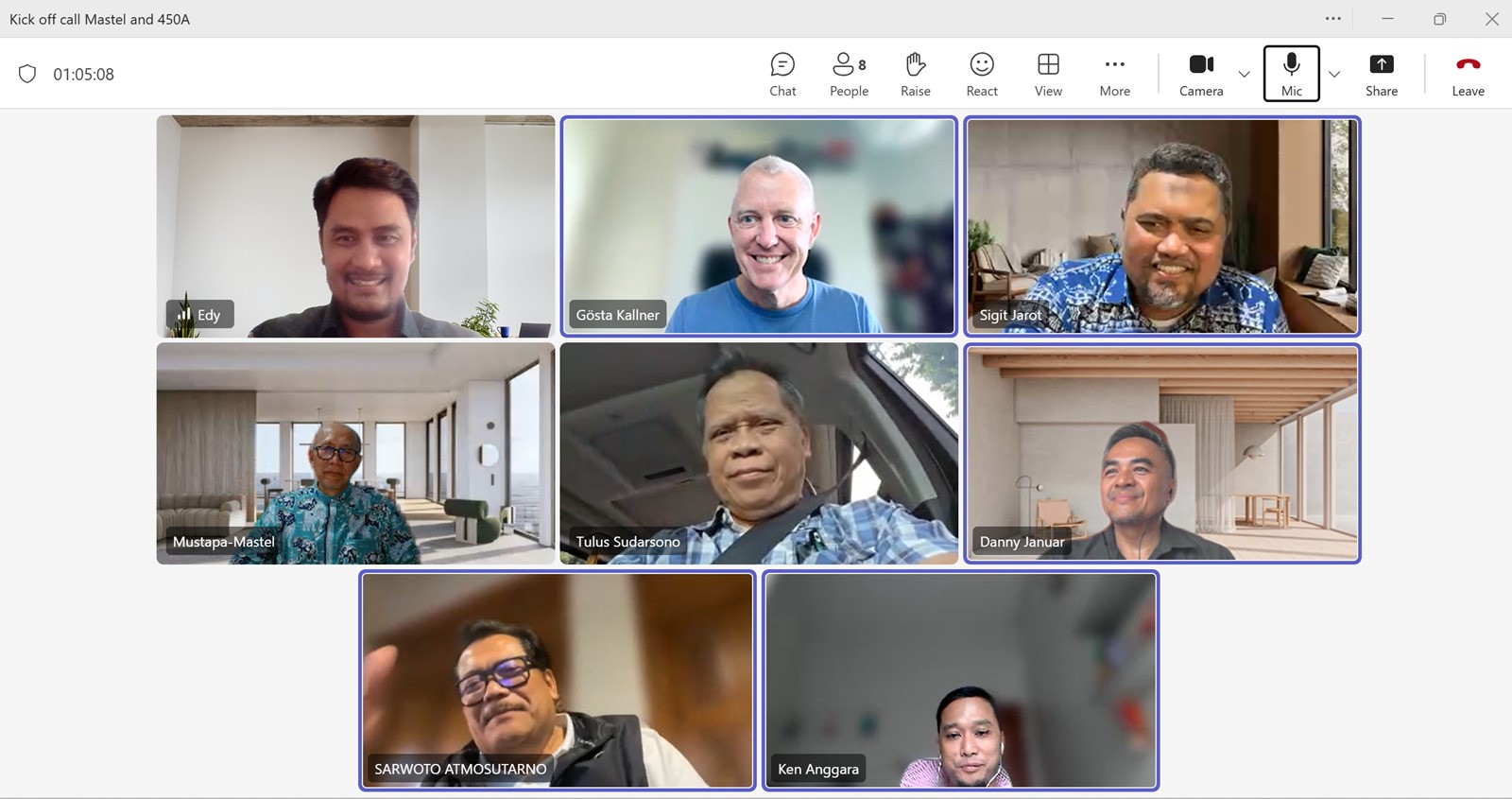
The kick-off conversation connects Indonesian perspectives with international industry experience.
THE WORKSTREAM AT A GLANCE
From shared evidence
to an actionable recommendation.
- 01
Align scope
Define objectives, stakeholders and the key questions.
- 02
Gather evidence
Review global deployments, standards and use cases.
- 03
Develop pathway
Frame spectrum, ecosystem and implementation considerations.
- 04
Engage stakeholders
Socialise findings and refine the recommendation.
An industry-led contribution. This work is intended to inform Indonesia’s formal policy and regulatory process. The collaboration is a pathway for study and recommendations; formal decisions remain with the relevant authorities.
02 / ALIGNING SCOPE
A useful study starts
with a clear question.
Low-band connectivity can be discussed from many perspectives: the needs of a service user, the design of a network, the availability of an ecosystem or the conditions for implementation. A collaborative study needs to make those perspectives visible at the beginning.
Aligning scope means defining what the workstream is trying to understand. Which connectivity priorities should it address? Which stakeholders need to be heard? What would make the eventual recommendation useful to the people considering it?
Clarity at this stage gives the later work a reference point. It helps keep international examples relevant, makes information gaps easier to identify and gives participants a common basis for examining alternatives. The aim is a study whose reasoning can be followed from the initial question to the proposed next steps.
03 / GATHERING EVIDENCE
Look beyond the headline.
Understand the conditions.
An international example becomes useful when the conditions behind it are understood. A deployment may reflect a particular geography, service requirement or operating model. The lesson is found by examining those relationships rather than treating the example as a ready-made answer.
The workstream’s evidence stage is framed around global deployments, standards and use cases. These offer different kinds of insight: experience from implementation, a view of technical development and a clearer account of the services that infrastructure is intended to support.
The value of bringing MASTEL and the Alliance into dialogue is the opportunity to connect those perspectives. International experience can broaden the range of questions, while Indonesian context helps determine which comparisons are meaningful.
For an evidence-led recommendation, the uncertainties also matter. Identifying where further information is needed is part of the study’s value. It makes the limits of the evidence visible and helps direct the next round of discussion.
04 / DEVELOPING A PATHWAY
Connect the evidence
to implementation questions.
A pathway gives structure to what the evidence suggests. In this workstream, that means considering spectrum alongside the supporting ecosystem and the practical conditions for implementation.
Those considerations need to be examined together. A technical option has to relate to the services it would support, the equipment and applications available, and the environment in which it might be introduced. A useful recommendation explains those connections.
The aim is to frame options and considerations clearly enough for further engagement. That may include identifying dependencies, setting out questions that remain open and describing the basis for a proposed direction. The reasoning is as important as the recommendation itself.
05 / STAKEHOLDER DIALOGUE
Evidence gains value
through informed discussion.
The pathway is intended to move into stakeholder engagement, where findings can be shared, examined and refined. Different organisations bring different responsibilities and practical knowledge. Their perspectives help reveal whether a recommendation addresses the questions that matter.
This is a necessary bridge between a study and its potential use. A finding may be technically interesting, but its relevance becomes clearer when stakeholders can explore its implications, challenge its assumptions and identify what further work would be needed.
The collaboration’s role is to contribute evidence to that conversation. It sits within a wider formal policy and regulatory process, providing an industry-led input that can be assessed alongside other considerations.
06 / CONTINUING THE WORK
One workstream.
A shared basis for the next step.
The kick-off meeting marks the opening of a collaborative effort. Its direction is clear: align the scope, gather evidence, develop a pathway and engage stakeholders. The value will come from how carefully those stages connect.
For SEATELSAT, the work reflects a broader approach to infrastructure: bring international experience into dialogue with local needs, make the evidence understandable and build a practical basis for the decisions that follow.
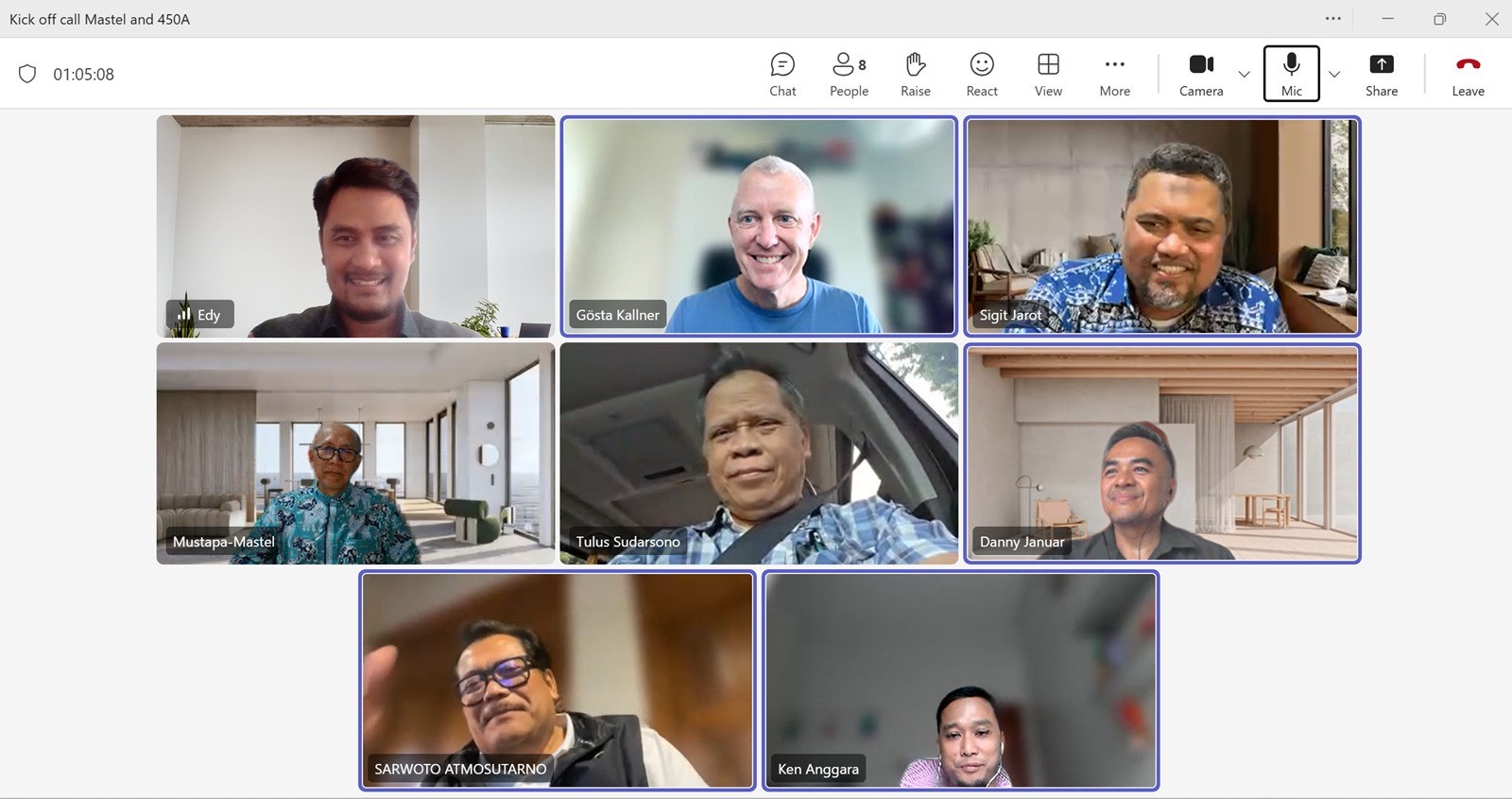
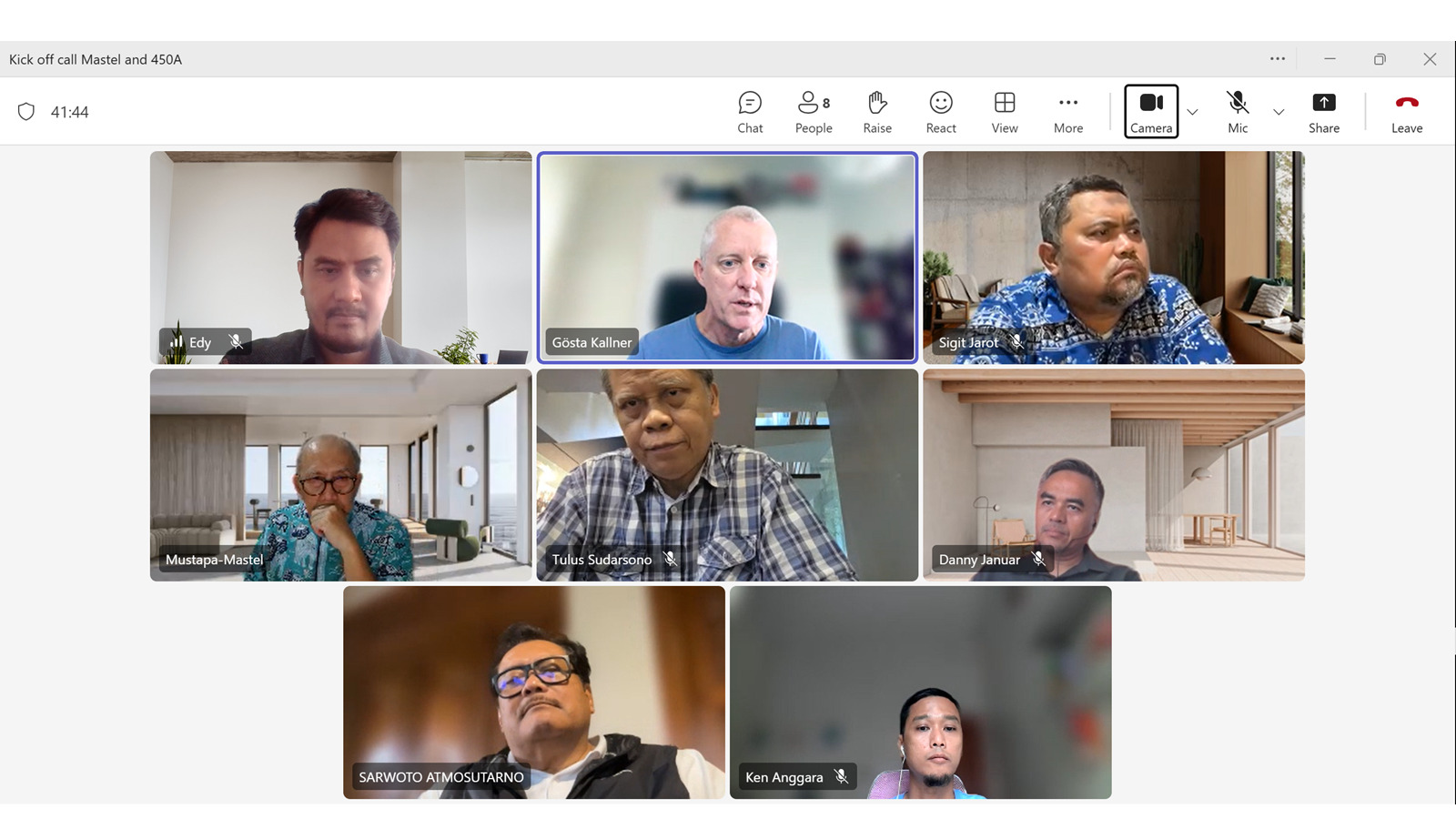
The photographs record a conversation beginning. The work ahead is to turn that exchange into a recommendation whose purpose, reasoning and next steps can be discussed with confidence.
Learn across markets
Examine international experience in relation to Indonesia’s connectivity priorities.
Connect evidence and options
Explain the spectrum, ecosystem and implementation considerations behind a pathway.
Inform the next discussion
Share findings and refine recommendations through stakeholder dialogue.
CONTINUE READING
A local conversation.
An international community.
Explore SEATELSAT’s 450 MHz Alliance membership and the wider exchange of experience behind critical connectivity.